Apr 4, 2014

Naka River Cherries

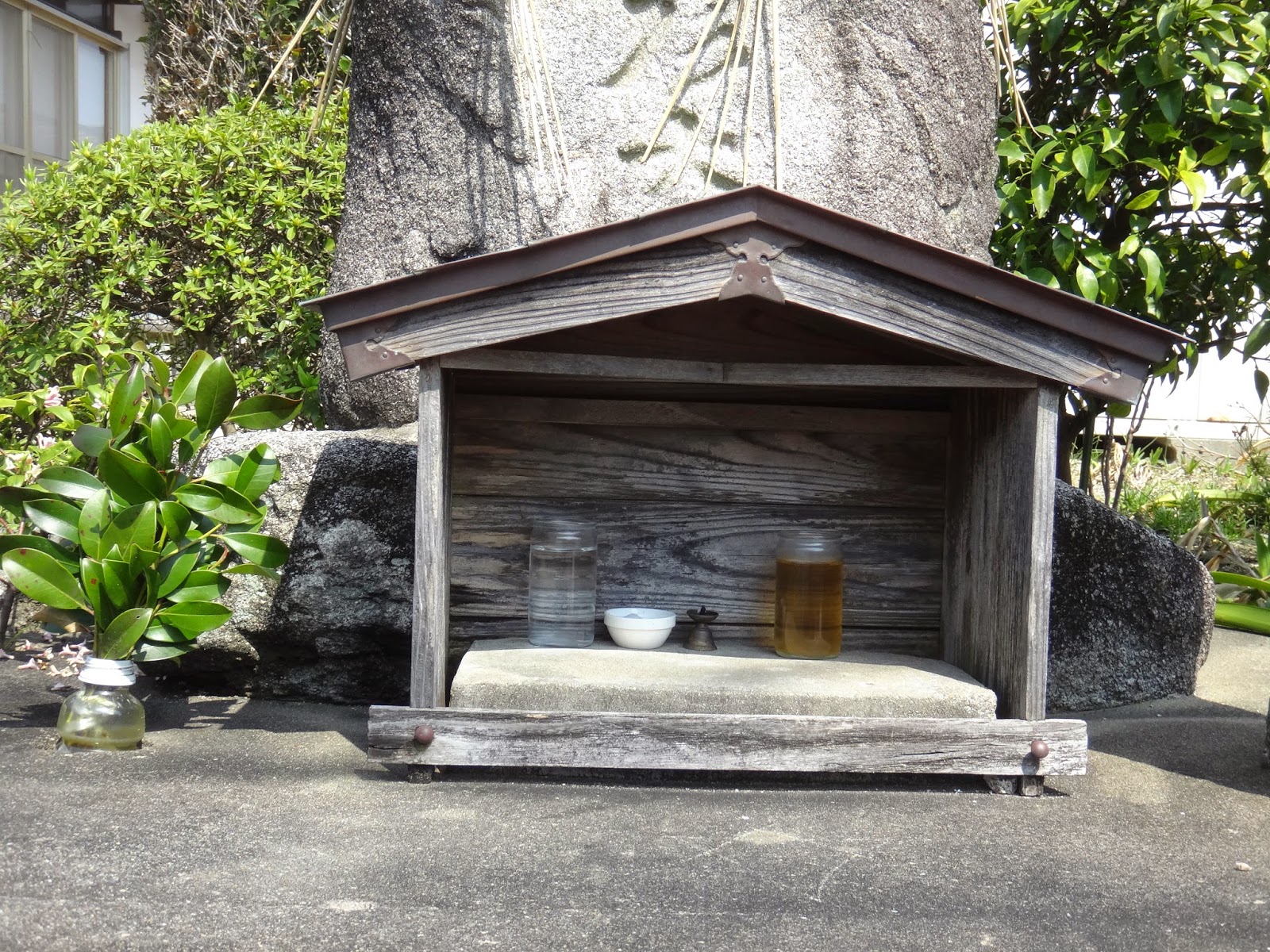
 The statue I showed yesterday was inside this little building. It appears to be on private land but it is obviously meant to be accessible to the public.
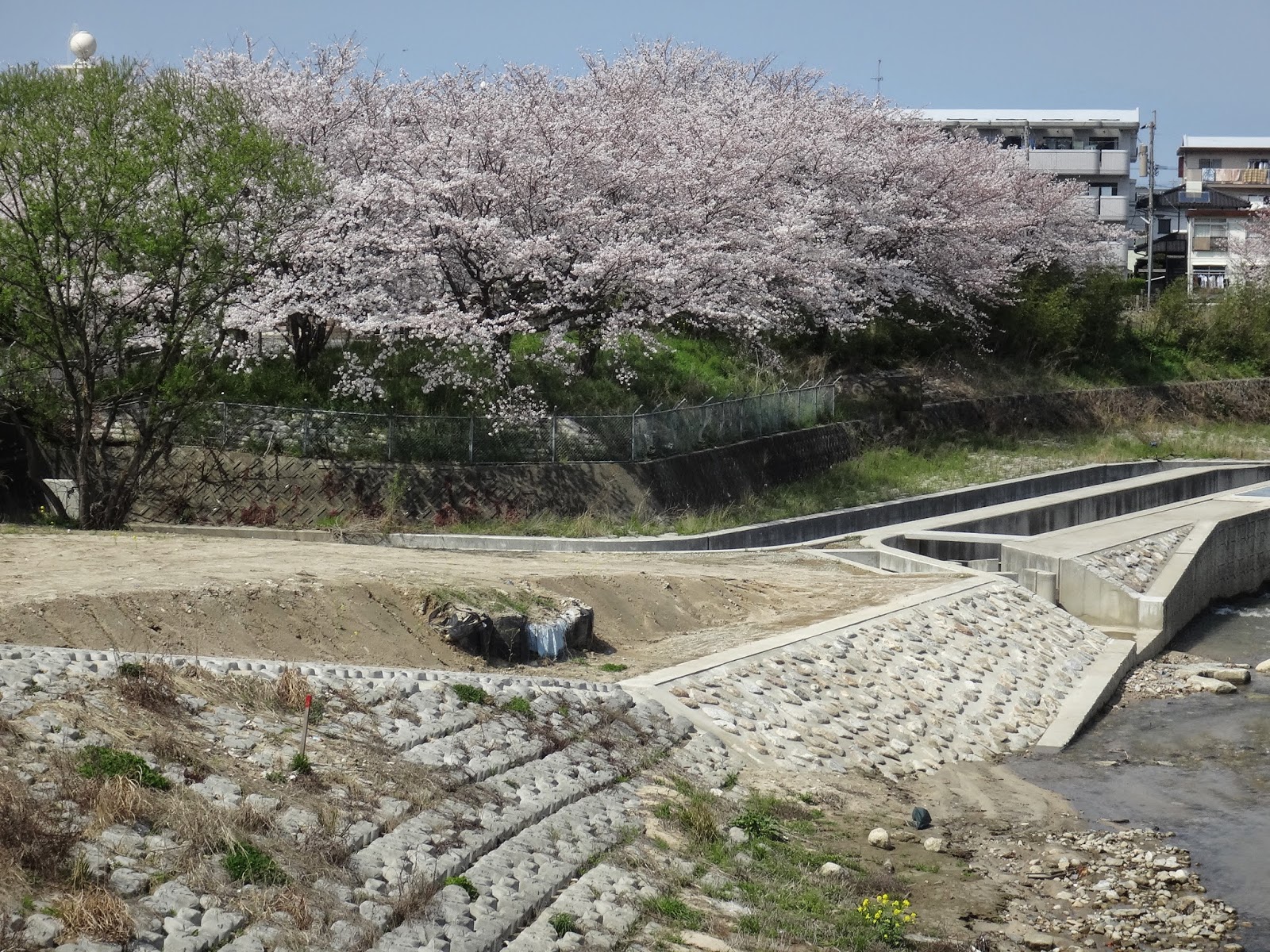
 I reached the Naka River and started walking along the bank. There were cherry trees in full bloom along both sides of the river. It was really beautiful.

Apr 3, 2014

A red building, flowers and a statue

 I don't think anyone will miss this new building. It was under construction and definitely not red the last time a passed this spot.
 Spring has arrived and the flower, other than cherries, are starting to bloom.
This private altar contains a Buddhist statue but I could not determine whether it was a Buddha, a Bodhisattva or someone else.

Apr 2, 2014

More cherry trees

 This obviously is not a cherry tree, but this large stone is an extremely good example of two features of Japanese culture. The first is a love of stones, often stones are associated with a kami, a local god. The second is the complete lack of interest in the context in which things are placed. Here this very artistic stone is sitting between the entrance and two containers of bottled gas.
 I continued walking and approached one of the small shrines that I have visited many times. As is almost always the case, I saw the cherry blossoms well before seeing the shrine itself.
I decided not to actually visit the shrine. Instead I took this picture from the street, looking over the concrete wall that protects the grounds.

Apr 1, 2014

Ever onward

 This is what the Japanese do to trees. I could see new branches starting to grow and in a month or so this tree will be covered with leaves, but it will be small even  though the truck is large. One reason for doing this, I am told, is that trimming the branches like this keeps the root system small so there is less likelihood of damage to the landscaping.
 This old concrete base had a stele, a carved stone and a roofed altar.
Although there were dishes for offerings, the inside was otherwise empty. Maybe the offerings are meant for the carved stone behind the little covered altar.